
Cash Flow vs Capital Growth Property: Which Strategy Creates Real Wealth?
A property can pay for itself and still be a poor investment.
That sounds wrong to many investors, especially when positive cash flow feels like the safest option. But if your goal is long-term wealth, not just short-term comfort, cash flow alone is rarely enough. The real question is not which property feels safer today. It is which strategy moves you forward faster over the next 10 years. This is exactly why High Yield Often Looks Safer Than It Really Is deserves attention before you treat strong rent as proof that a property is building real wealth
What Most Investors Get Wrong
Many investors assume:
high rent = good investment
That is where strategy breaks down. Properties with strong cash flow often sit in slower-growth areas. They help with holding costs, but they may not create meaningful equity over time.
On the other hand, strong capital growth properties may require more support early, but they can dramatically accelerate portfolio growth.
What to Focus on Instead
The goal is not choosing one forever. It is understanding what your portfolio needs right now.
Ask yourself:
Do you need stronger borrowing power?
Do you need equity growth to buy again?
Do you need income stability to reduce holding pressure?
Different stages require different priorities. Smart investors do not chase one strategy. They sequence both.
3 Practical Steps to Decide Between Cash Flow and Capital Growth
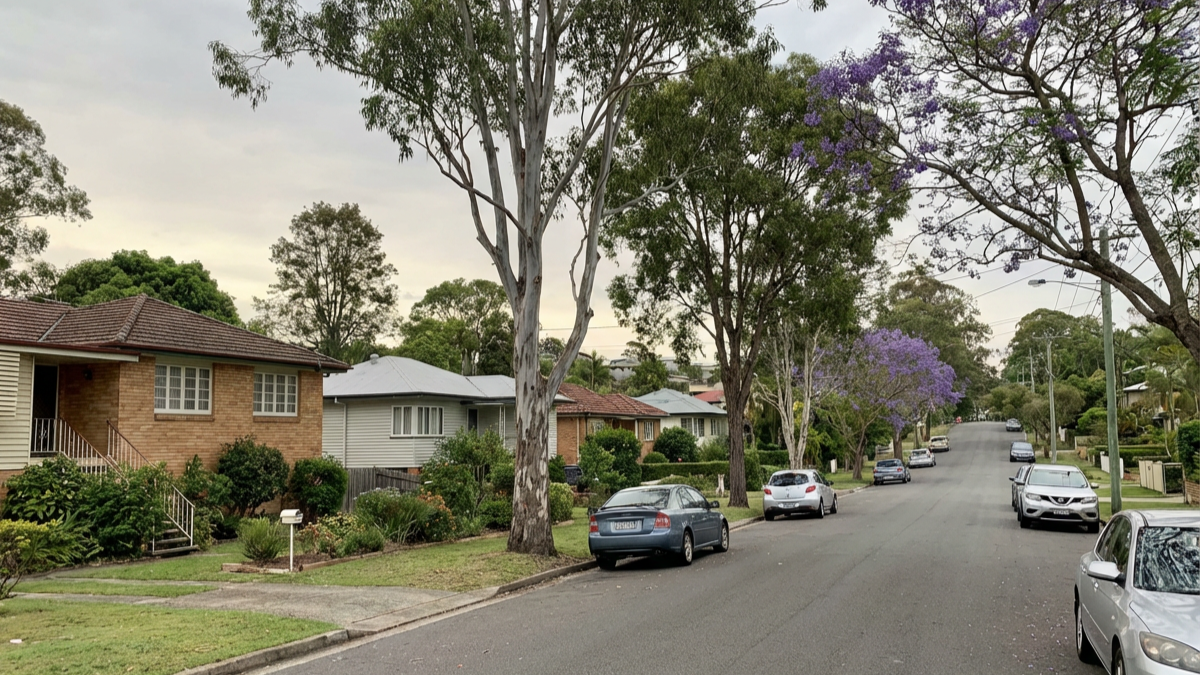
Step 1: Understand What Actually Creates Wealth
What this means
Wealth is usually created through equity growth, not weekly rent.
What to look for
suburbs with strong owner-occupier demand
supply constraints
infrastructure and long-term population growth
Why it matters
Capital growth creates usable equity. Equity helps you buy the next property. According to CoreLogic, long-term wealth creation in residential property is primarily driven by capital growth rather than rental income alone.
Step 2: Use Cash Flow to Protect the Portfolio
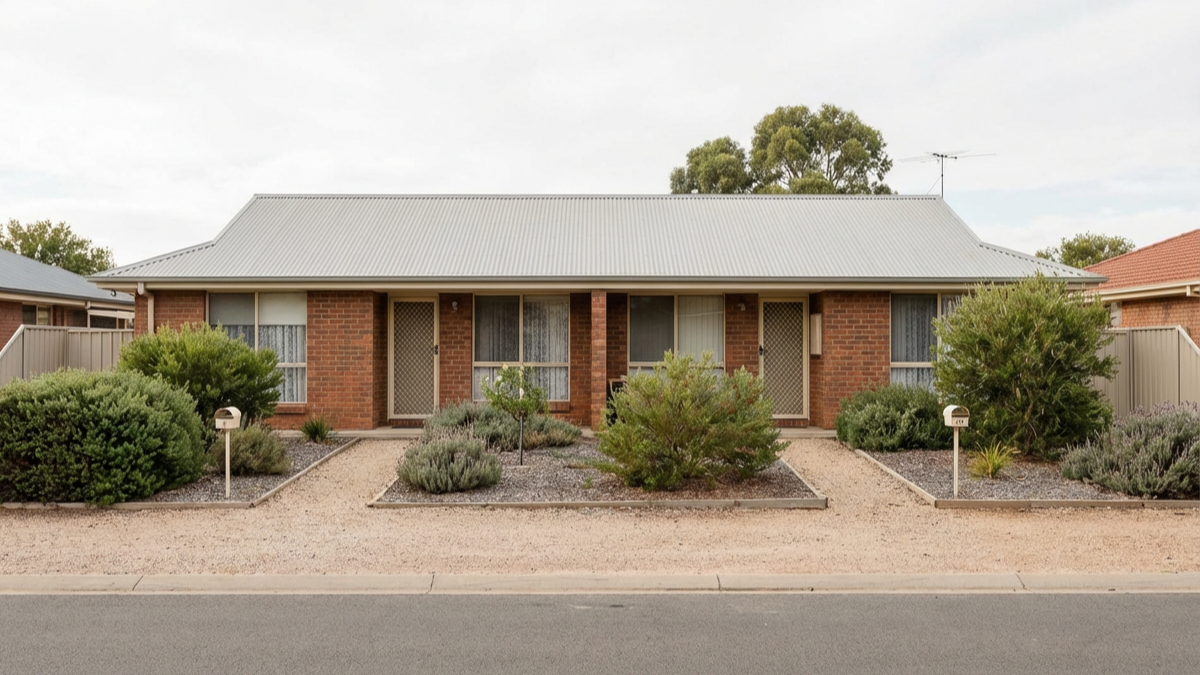
What this means
Cash flow supports your ability to hold assets long enough for growth to happen.
What to look for
manageable holding costs
stable rental demand
yields that reduce financial pressure without sacrificing location quality
Why it matters
You cannot benefit from growth if you are forced to sell too early. Cash flow is not the goal. It is the support system.
This is why understanding how to assess a property deal in 2026 matters before choosing between cash flow and capital growth, because the right deal should support long-term growth and portfolio stability.
Step 3: Build Strategy Around Sequencing
What this means
Many investors start with growth and strengthen cash flow later.
What to look for
first acquisitions focused on equity growth
later purchases improving serviceability and income
portfolio decisions based on borrowing capacity, not emotion
Why it matters
A balanced portfolio is built intentionally, not by accident. Which is why most investors misread good deals if done without intention.
Real-World Example: Two Investors, Two Outcomes
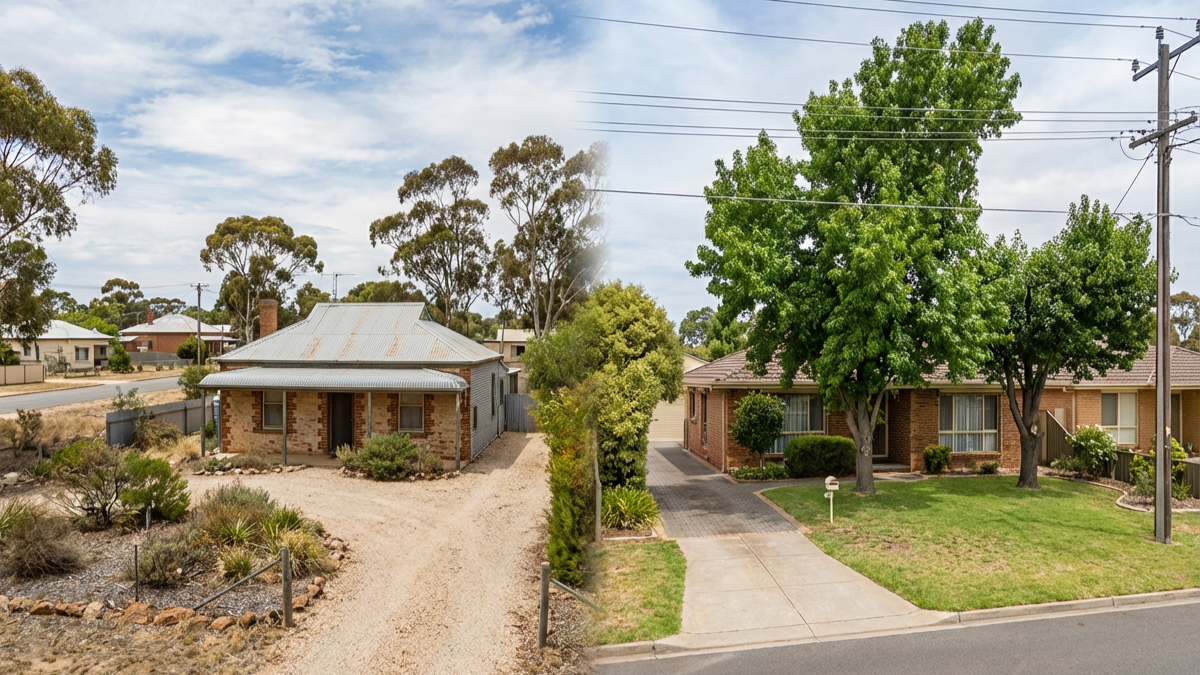
Investor A
Buys a high-yield regional property with 6.5% yield
Result after 5 years:
strong rental income
limited capital growth
borrowing power largely unchanged
Investor B
Buys a stronger metro growth asset with 4% yield
Result after 5 years:
higher holding costs early
stronger capital growth
significant equity to fund the next purchase
The better strategy depends on your stage, but for long-term wealth creation, growth usually leads.
Key Questions Investors Are Asking

Is cash flow or capital growth better for property investment?
For long-term wealth, capital growth is usually more powerful.
For portfolio stability and serviceability, cash flow becomes critical.
The best strategy uses both, in the right sequence.
Should beginners focus on positive cash flow property?
Not always.
Beginners often need equity growth more than income. A high cash flow property with weak growth can slow long-term progress.
Can you have both cash flow and capital growth?
Yes, but they are harder to find.
The strongest deals often balance reasonable yield with strong long-term demand and supply constraints.
Perfect deals are rare. Strategic trade-offs matter more.
Building Wealth Means Thinking Beyond Weekly Rent
Cash flow helps you survive.
Capital growth helps you scale.
If your goal is building a serious property portfolio, you need to think beyond what the property pays you today and focus on what it helps you build tomorrow.
That shift is where real wealth starts.