
Brisbane Property Investment 2026: Is Brisbane Still Worth Investing In?
A city can perform well for years and still become the wrong place to buy next.
That is the mistake many investors make with Brisbane.
They see strong past growth, headlines about interstate migration, and rising rents, then assume every Brisbane property is a good investment in 2026.
That assumption can be expensive.
What Most Investors Get Wrong About Brisbane
Many investors ask:
“Is Brisbane still a good place to invest?”
The better question is:
“Which parts of Brisbane still offer strong opportunity?”
Cities do not grow evenly.
Some suburbs outperform for years while others stay flat. Buying based on the city name alone is one of the fastest ways to overpay.
What to Focus on Instead

Brisbane property investment in 2026 should be assessed through three filters:
local demand
supply pressure
long-term owner-occupier appeal
You are not buying “Brisbane.” You are buying one street, one suburb, and one long-term outcome. That is where the real decision sits. Before you even zoom into suburbs, it is worth revisiting how cash flow vs capital growth property fits into your overall strategy, because the right parts of Brisbane look very different for each approach.
3 Practical Steps to Assess Brisbane Property Investment 2026
Step 1: Follow Population Growth and Owner-Occupier Demand
What this means
Strong investment areas attract both renters and buyers.
What to look for
suburbs with strong population growth
access to transport and employment hubs
areas with strong owner-occupier appeal, not just investor demand
Why it matters
Owner-occupiers drive long-term capital growth.
According to Australian Bureau of Statistics, interstate migration into Queensland has remained a major driver of housing demand.
Step 2: Watch Supply Risk Carefully
What this means
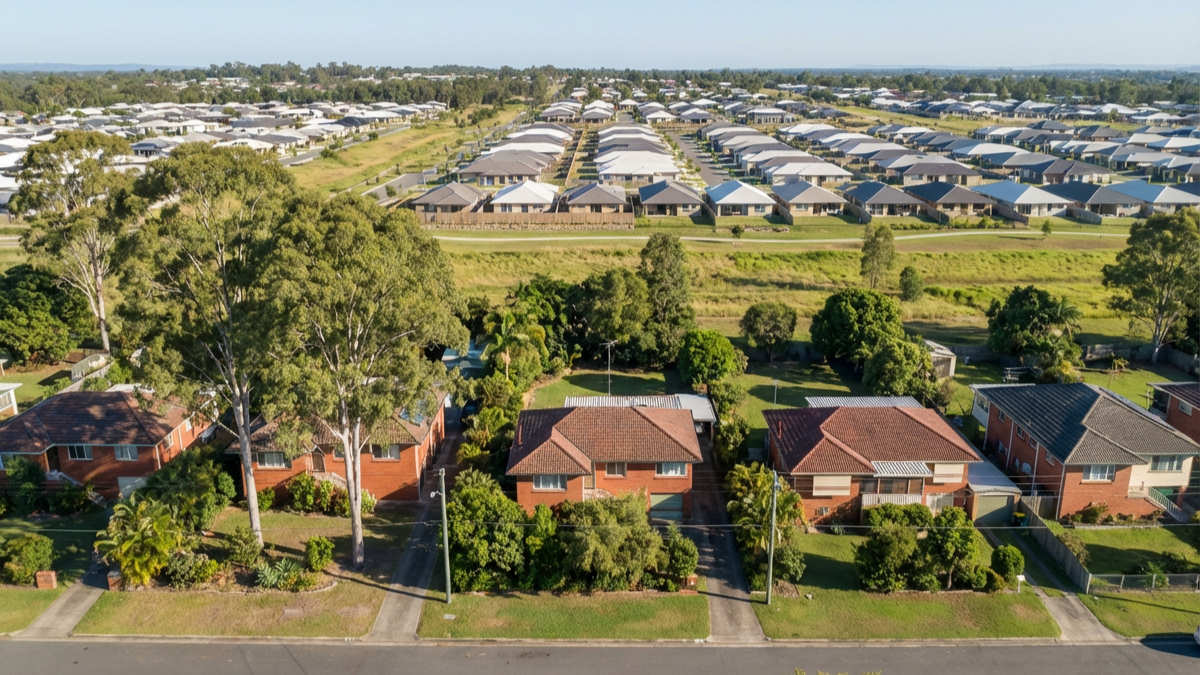
Some areas look attractive because they offer high rental yield, but they are surrounded by oversupply.
What to look for
high-density apartment zones
large new housing estates
suburbs with significant land release pipelines
Why it matters
Too much supply limits both rental growth and price growth. A property can have strong rent today and weak performance tomorrow if supply keeps increasing. This is why knowing how to assess a property deal in 2026 matters so much in Brisbane, because a high yield in an oversupplied pocket can look good on paper while quietly capping your long‑term upside.
Step 3: Assess Affordability Pressure, Not Just Cheap Prices
What this means
The best opportunities often come from affordability migration.
What to look for
suburbs next to premium areas with large price gaps
improving transport access
rising demand from first-home buyers and upgraders
Why it matters
When buyers are priced out of premium suburbs, demand moves outward and growth follows.
Brisbane Areas Investors Are Watching for 2026
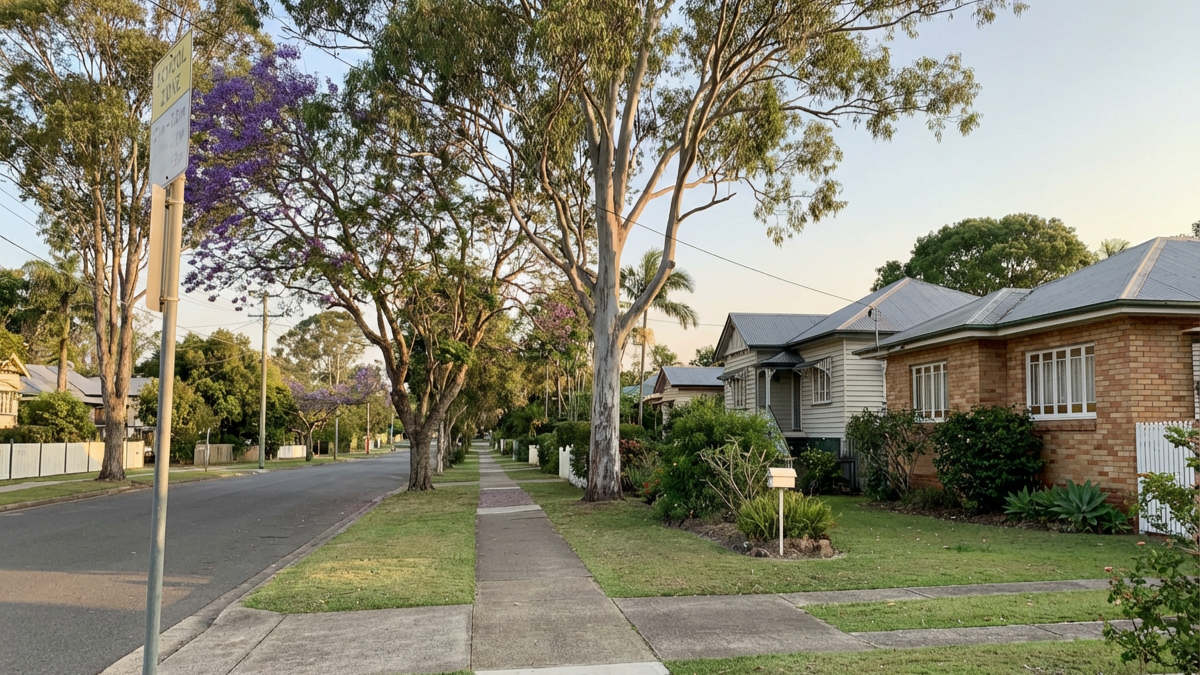
These are not blanket recommendations. They are areas where investors should look deeper.
Middle-Ring Family Suburbs
Examples:
Chermside West
Everton Park
Carina
Mansfield
Why:
Strong owner-occupier demand, school zones, and limited supply.
South-East Growth Corridors
Examples:
Springfield
Loganholme
Beenleigh
Why:
Infrastructure upgrades, affordability pressure, and improving transport links.
Established Satellite Markets
Examples:
Ipswich
Redcliffe
Moreton Bay region
Why:
Relative affordability with strong commuter demand.
Key Questions Investors Are Asking

Is Brisbane still a good place to invest in 2026?
Yes, but not everywhere.
The city still has strong demand drivers, but suburb selection matters more than ever. Investors should focus on supply constraints, owner-occupier demand, and affordability pressure.
Is Brisbane better than Sydney for investment?
It depends on your strategy.
Sydney often offers stronger long-term blue-chip growth, while Brisbane can offer better affordability and stronger cash flow opportunities.
The better choice depends on your entry point and investment goals.
Are Brisbane apartments a good investment?
Some are, many are not.
High-density apartment areas often face oversupply risk. Established boutique stock in strong owner-occupier locations tends to perform better.
How to Decide If Brisbane Fits Your 2026 Investment Strategy
Brisbane can still be a strong investment market in 2026. But the opportunity is no longer in simply buying “anything in Brisbane.” The real advantage comes from understanding where demand is building, where supply is constrained, and where long-term buyers will keep competing. Once you have a shortlist of suburbs and streets, run any specific opportunity through the 2026 Due Diligence Checklist For Investment Property Buyers so you are testing the deal itself, not just assuming anything in Brisbane will perform. That is how smart investors avoid buying yesterday’s growth story and position for tomorrow’s results.