
Why Property Deals Fail: What Most Investors Misread About “Good Deals”
Some of the worst property deals look like the best ones at first glance. They are affordable. The yield looks strong. The numbers appear to work.
But years later, these same properties underperform, stall, or become difficult to hold. The issue is not the deal itself. It is how the deal was interpreted.
What Most People Get Wrong
Most investors confuse a good price with a good investment.
They focus on:
Cheap entry price
High rental yield
“Undervalued” claims
These signals feel logical, but they ignore one critical factor. Performance. A property can look like a good deal today and still perform poorly over the long term.
What to Focus on Instead

A strong investment is not defined by how it looks today.
It is defined by:
Future demand
Long-term growth drivers
Market depth and buyer competition
If demand is weak, the deal will struggle regardless of how attractive the numbers appear upfront. If you want to see how this looks in a real market, Brisbane Property Investment 2026: Is Brisbane Still Worth Investing In? walks through the same demand, growth and supply lens at a city level.
3 Practical Steps to Avoid Bad Property Deals
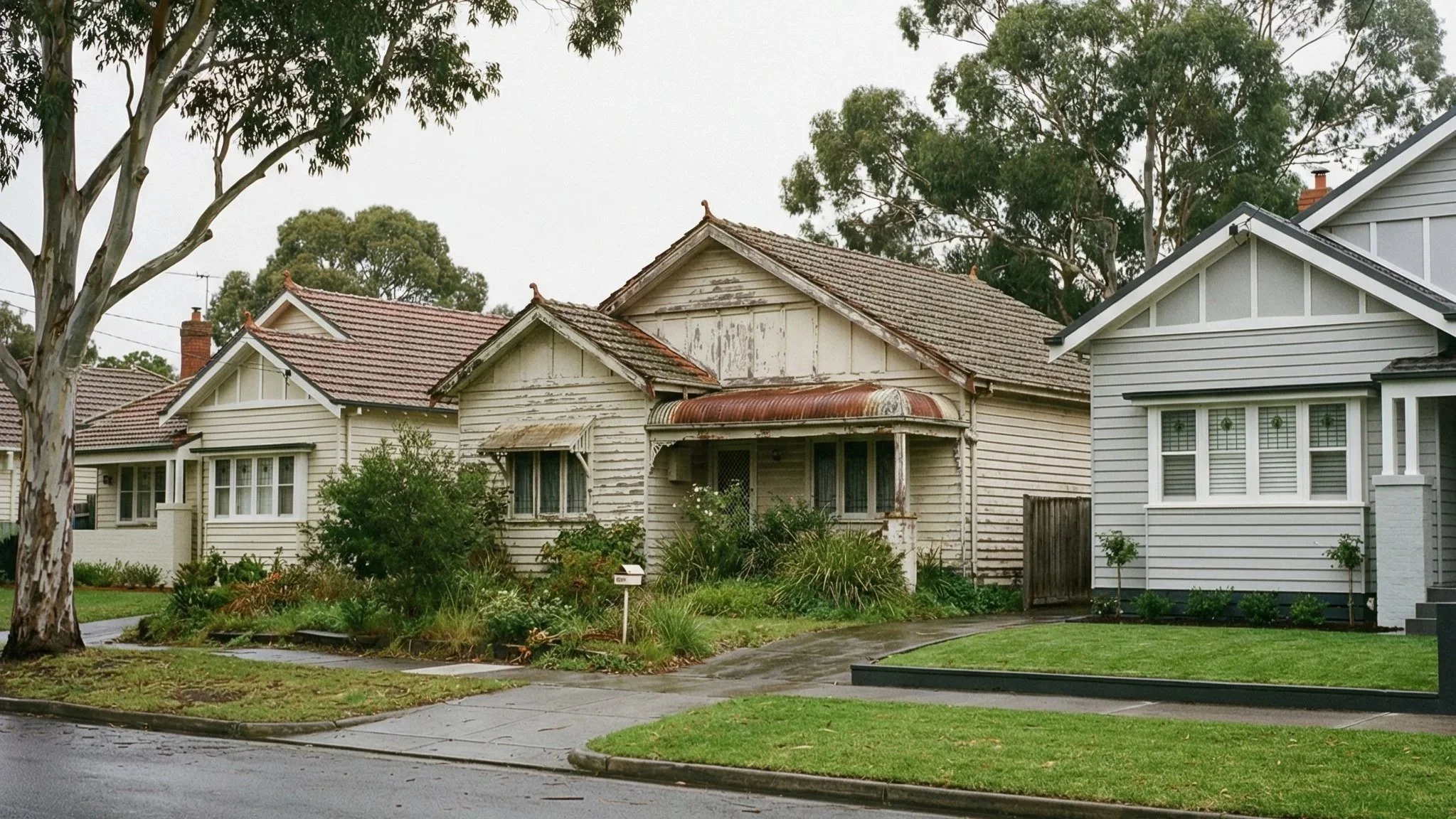
Step 1: Question Why It Looks “Too Good”
What this means:
If a deal looks unusually good, there is usually a reason.
What to look for:
Properties sitting on the market longer than average
Price drops or repeated listings
Location compromises such as poor access or low demand
Why it matters:
Markets are competitive. If a property is genuinely strong, it rarely stays unnoticed.
Step 2: Look Beyond Yield and Price
What this means:
Yield and price are only part of the picture.
What to look for:
Owner-occupier demand in the area
Population growth trends
Employment access
This is also where understanding cash flow vs capital growth property becomes critical, because a deal built purely around yield can look safe today while quietly capping your long‑term upside
Why it matters:
Owner-occupiers drive long-term growth, not investors alone. According to Australian Bureau of Statistics, population movement and employment access are key drivers of housing demand.
Step 3: Identify Supply Risks Early
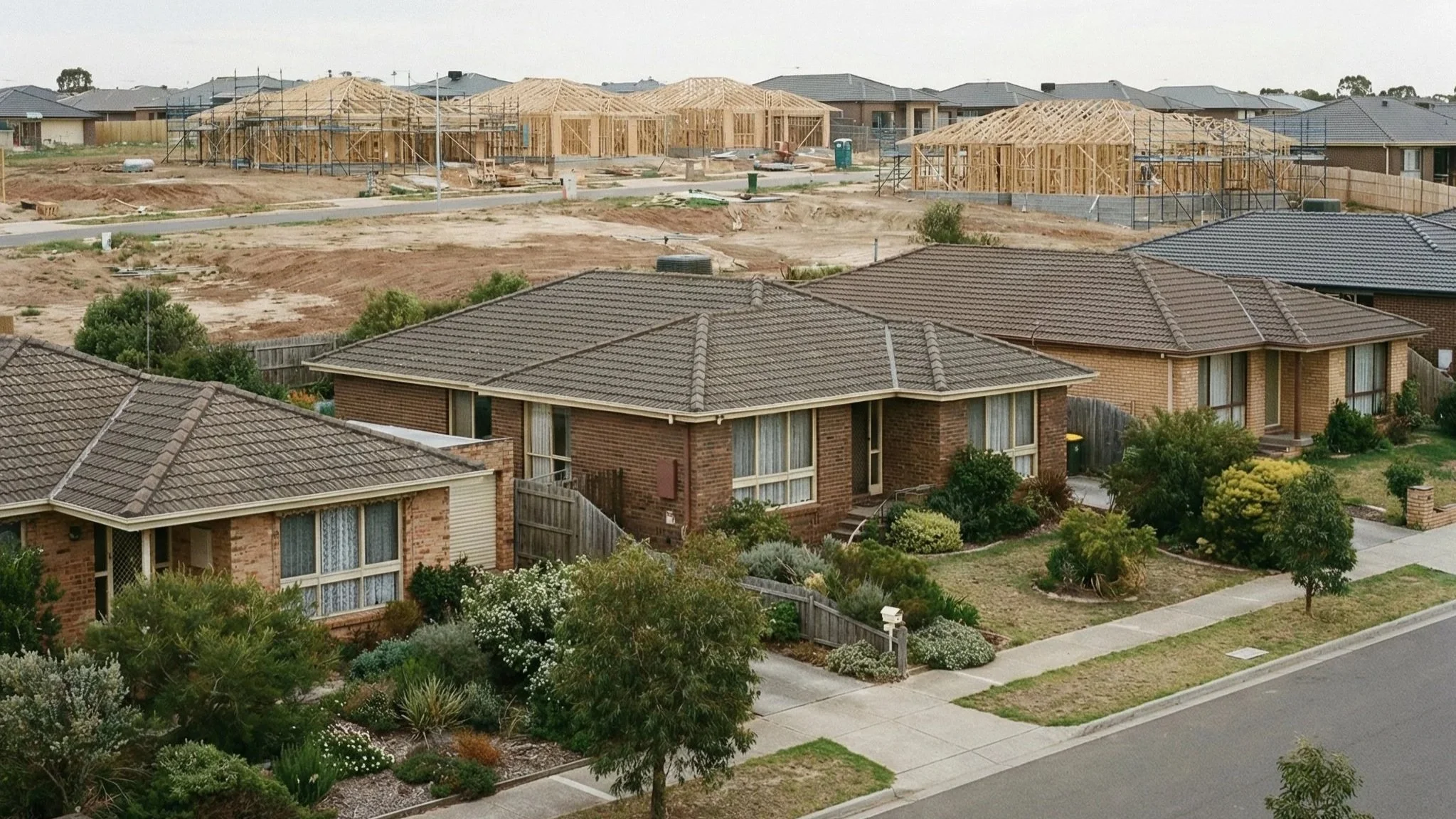
What this means:
Some deals look good because supply is high.
What to look for:
High-density developments
Large land releases nearby
New estates with ongoing construction
Why it matters:
Excess supply limits price growth and increases competition for tenants.
Data and Context
Vacancy rates above 3% often indicate weaker rental demand
High-yield properties are commonly found in lower-demand areas
Long-term growth is typically driven by strong owner-occupier markets
According to CoreLogic, areas with consistent demand from owner-occupiers tend to outperform investor-heavy markets over time.
Key Questions Investors Are Asking

Why do property deals fail even if they look good?
Because they are evaluated based on short-term metrics like price and yield instead of long-term demand and growth drivers.
What are red flags in a property investment?
Common red flags include:
High yield with no growth drivers
Oversupply in the area
Low buyer demand
How do you avoid a bad property deal?
Focus on:
Demand trends
Supply constraints
Long-term performance potential
Avoid relying on a single metric when making decisions.
How to Avoid Property Deals That Look Good but Underperform
The difference between a good deal and a bad one is not always obvious at the start. It comes down to how you assess it. How To Assess A Property Deal In 2026 builds on this by giving you a step‑by‑step way to test demand, supply and long‑term performance before you ever call a property a “good deal”.
If you focus only on what looks attractive today, you risk buying something that stays stagnant. If you focus on demand, growth, and supply, you position yourself for long-term results. The best investors do not chase good-looking deals. They choose deals that perform.