
How to Assess a Property Deal 2026: A Smarter Way Beyond Yield
A high-yield property can still be a bad investment.
This is where most investors get caught. The numbers look good on paper, the rental return feels strong, and the deal appears “safe”. But years later, the property has barely grown, and the opportunity cost becomes clear. If you are serious about investing in 2026, you need to look beyond yield.
What Most People Get Wrong
Most investors assess a deal based on one metric:
Rental yield
Purchase price
Weekly rent
These are easy to understand, but they are incomplete. A property with strong yield but no growth can hold you in place for years. On the other hand, a property with slightly lower yield but strong demand drivers can significantly outperform over time.
What to Focus on Instead

A good property deal is not defined by one number. It is defined by how the property performs across three key areas:
Demand
Growth potential
Sustainability of returns
You are not just buying a property. You are buying into a location, a market cycle, and a future outcome.
3 Practical Steps to Assess a Property Deal in 2026
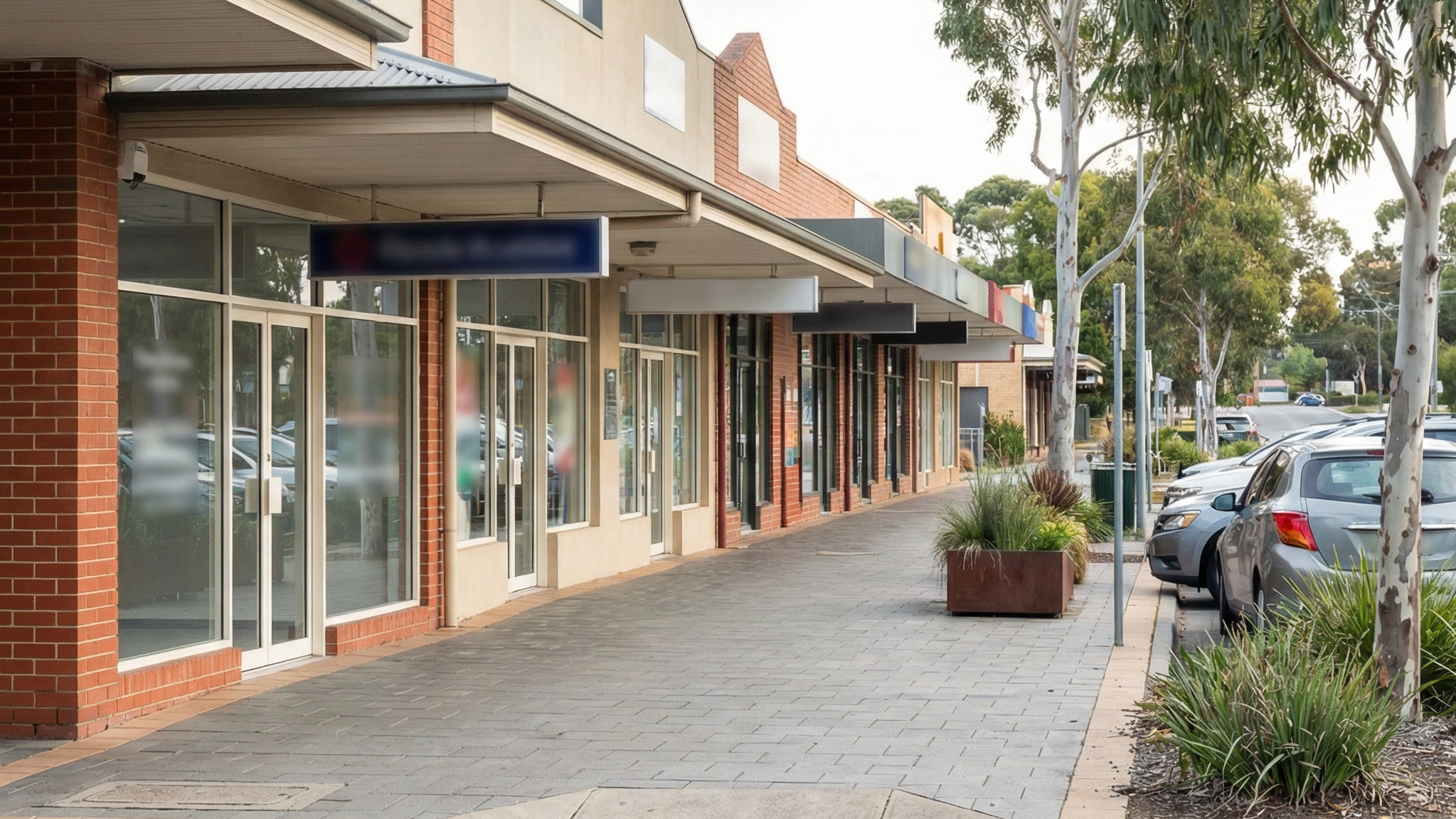
Step 1: Evaluate Demand, Not Just Price
What this means:
The best deals exist where demand is increasing, not where prices are simply low.
What to look for:
Population growth in the area
Strong rental demand and low vacancy rates
Proximity to jobs, transport, and lifestyle hubs
Why it matters:
Demand is what drives both rental income and price growth. According to Australian Bureau of Statistics, population growth and internal migration trends are key indicators of housing demand. Areas attracting more people tend to outperform over time.
That is also the logic behind Best Investment Suburbs In NSW For 2026, where the focus is not on cheap entry points alone but on demand depth, supply pressure and long-term owner-occupier appeal.
Step 2: Balance Yield With Growth Potential
What this means:
Yield should support your investment, not define it.
What to look for:
Yield that at least partially offsets holding costs
Evidence of historical growth drivers still being present
Infrastructure or economic expansion in the area
Why it matters:
Focusing only on yield often leads investors into low-growth areas. This is why understanding cash flow vs capital growth property matters, because a deal that looks comfortable today can still underperform if growth never meaningfully shows up.
Step 3: Assess Risk and Supply
What this means:
Not all “good deals” are low risk.
What to look for:
Oversupply risks such as high-density developments
Land availability and future supply pipelines
Economic reliance on a single industry
Why it matters:
Even strong demand can be diluted if supply increases too quickly.
Data and Context
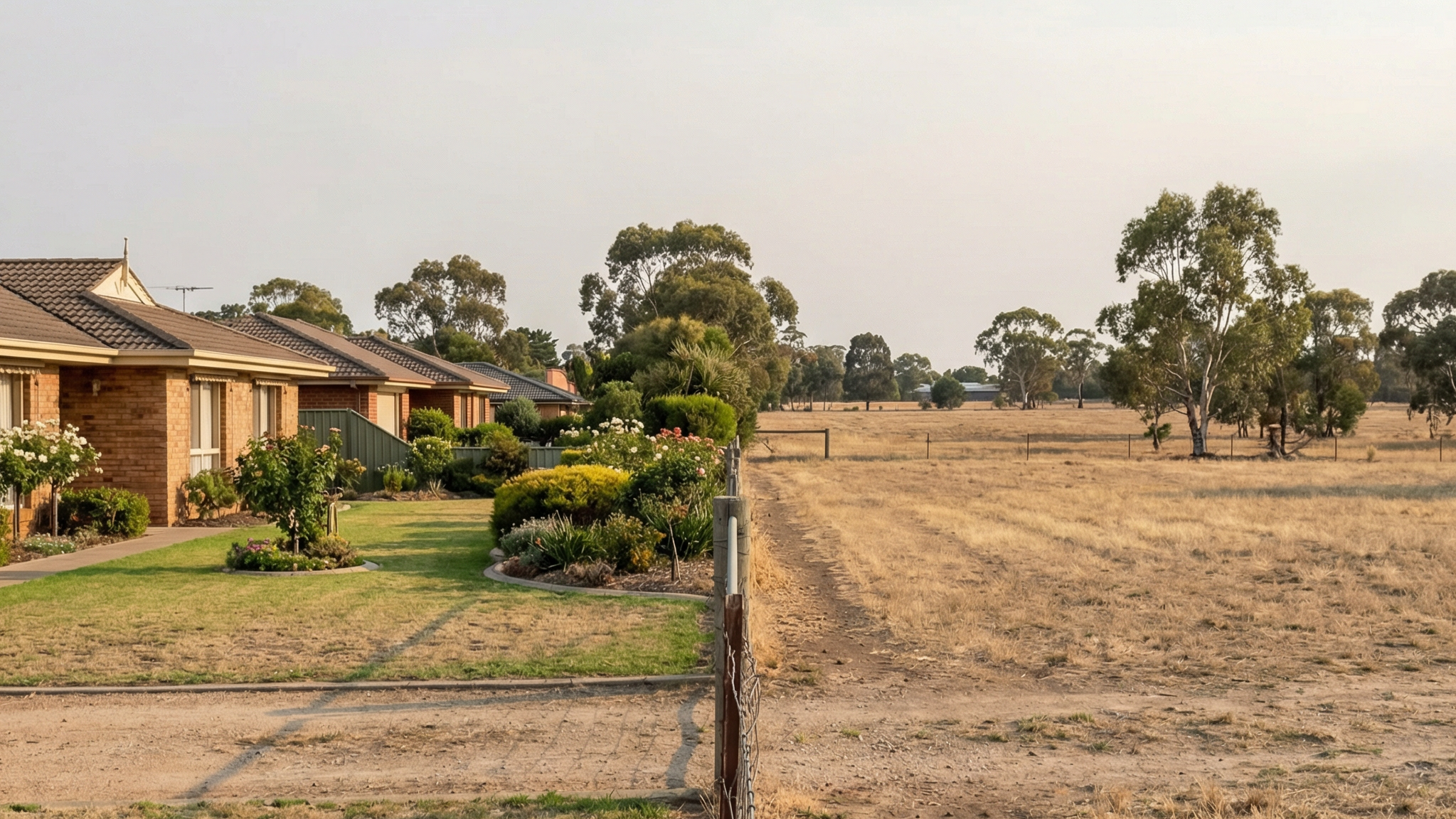
Vacancy rates below 2% generally indicate strong rental demand
Gross rental yields in Australia typically range from 3% to 6% depending on location
Capital growth historically contributes the majority of long-term property returns
According to CoreLogic, capital growth has consistently been the primary driver of wealth creation in residential property, rather than rental income alone. For a deeper look at how those numbers actually affect holding power, Cashflow & Rental Yield In 2026 breaks down what investors should watch before relying on headline yield alone.
Key Questions Answered

How do you assess a property deal in 2026?
You assess a property deal by looking at:
Demand drivers such as population and jobs
Balance between yield and growth potential
Supply risks in the area
A strong deal performs well across all three, not just one.
Is rental yield enough to judge a property investment?
No. Rental yield alone does not account for:
Capital growth
Market demand
Long-term performance
A high-yield property can still underperform if growth is weak.
What is a good property investment in Australia?
A good property investment typically has:
Strong and growing demand
Limited supply
Sustainable rental income
The best investments combine both growth and stability.
Make Smarter Decisions When You Assess a Property Deal in 2026

The way you assess a property deal determines your long-term results. If you rely on yield alone, you limit your upside. If you understand demand, growth, and risk, you position yourself ahead of most investors.
In 2026, the best deals will not be the ones that look the cheapest. They will be the ones that perform the strongest over time.