
Relocating To Geelong With Kids: How To Balance Schools And Property Value
When Victorian families consider Geelong, one question tends to dominate early: “Which suburb gets us into the best school?” It is a fair question, but it often becomes too powerful too early.
That is where expensive decisions happen. Buyers start treating school reputation as a shortcut for overall suburb quality, future growth and family suitability. Sometimes that works. Sometimes it leads to overpaying for a label, while overlooking the bigger factors that will shape day-to-day life and long-term value.
For families weighing Geelong against other Victorian options, the better question is not simply where the strongest school is. It is whether a suburb gives you the right combination of education access, liveability, housing fit and future flexibility.
What Most Families Get Wrong About Moving For Schools
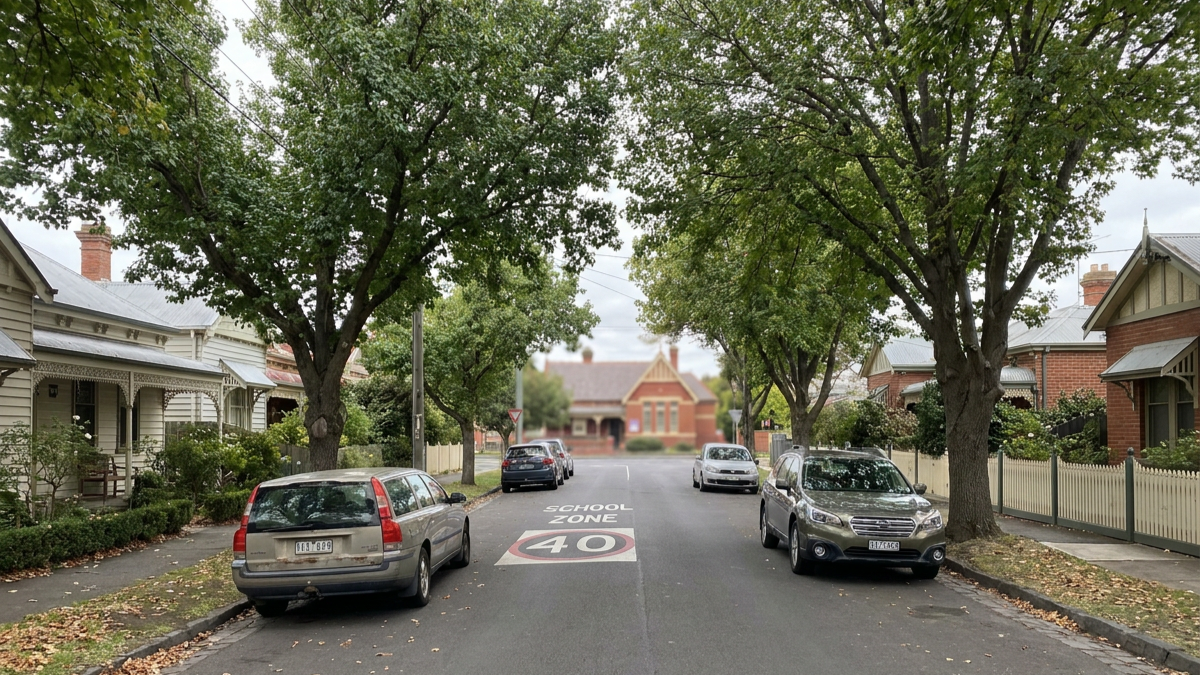
Most families do not make the mistake of caring too much about education. The mistake is assuming that a suburb with a stronger school reputation is automatically the smarter property decision.
In practice, that logic can be too simplistic. Some school catchments attract genuine premiums because supply is tight and family demand is deep. In other cases, buyers are paying for reputation, comfort or fear of missing out rather than a complete property case.
That distinction matters in Geelong because the market is more varied than many metro-based buyers assume. A suburb can have family appeal because of parks, housing stock, commute patterns and community feel, not just because one school name carries weight. Some school-zone premiums in Victoria are very real, but they should still be separated from the broader question of whether a specific property is good value.
What To Focus On Instead When Comparing Geelong With Other Victorian Options
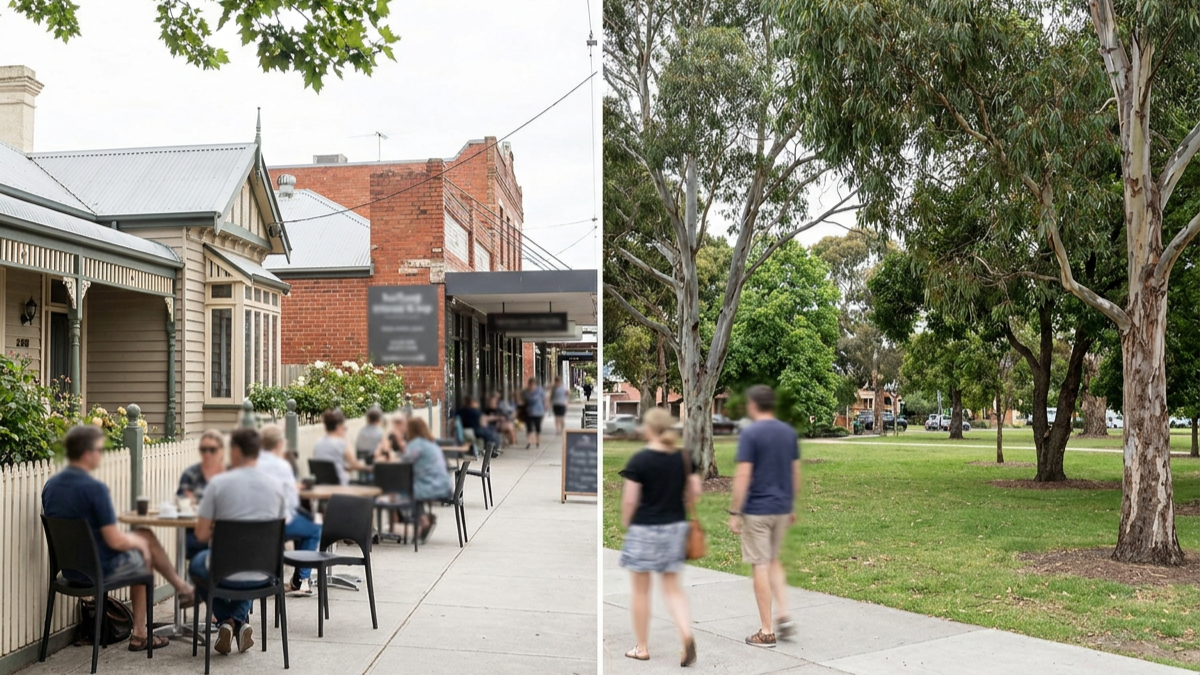
If you are comparing Geelong with Melbourne’s outer suburbs, Ballarat, Bendigo or the Surf Coast corridor, it helps to think in layers.
The first layer is schooling. The second is how your family will actually live. The third is whether the property itself gives you a sensible long-term position.
That means asking questions like:
Will this suburb still suit us in five to ten years?
Are we buying into practical family demand, or paying a premium for a narrow story?
Is the housing stock right for how we want to live?
Does the area offer more than one reason people want to stay there?
Trade View’s A Guide To Relocating To Geelong: Everything You Need To Knowis useful here because it frames Geelong as a city of different family lifestyles, not one generic relocation market. That is the right starting point. Schools matter, but they should sit inside the broader suburb decision rather than replace it.
Three Practical Steps For Families Considering Geelong
1. Start With Daily Family Function, Not Just School Reputation
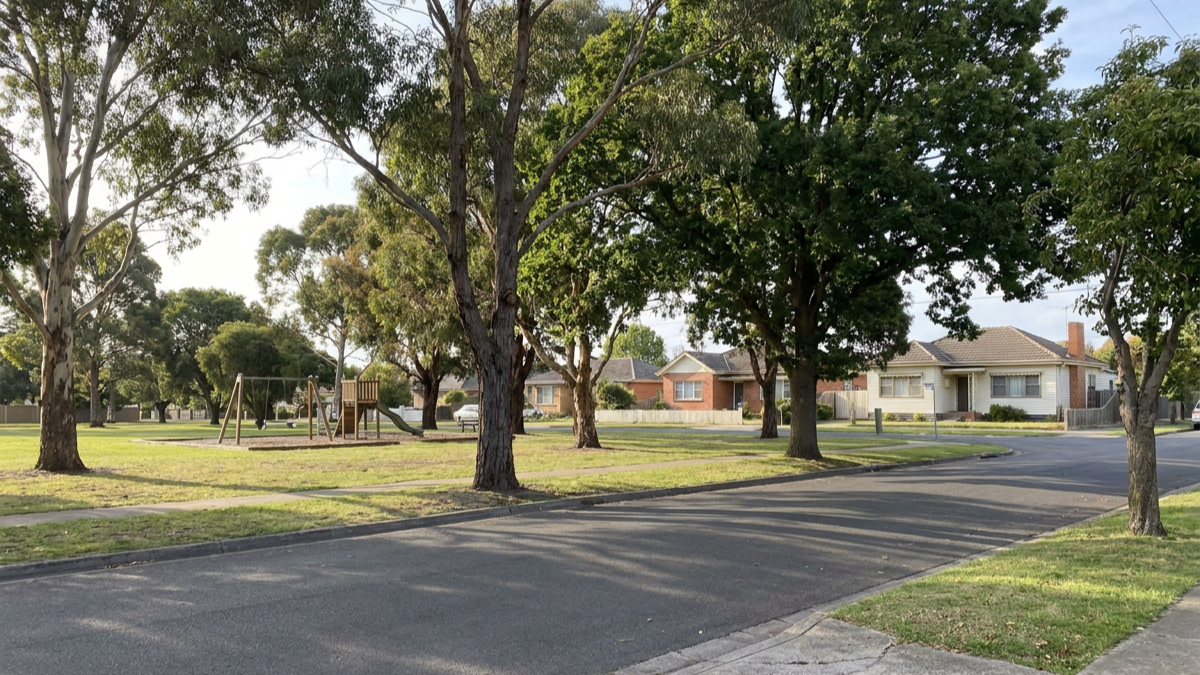
Short Explanation
A suburb can look perfect on paper because of one well-known school, yet feel frustrating in real life if the home, commute, or local amenity do not suit your family.
What To Look For
Commute time to work and regular weekly travel, not just the school run.
Access to parks, sport, childcare, shops and healthcare.
Whether the available housing stock suits your current family stage.
The difference between established family suburbs and growth areas still catching up on amenity.
Why It Matters
Trade View’s Geelong relocation content already points to suburbs like Newtown, Highton and Belmont as popular with families because they combine schools, amenity and liveability. That broader mix is often what families actually benefit from over time. A school can anchor demand, but your family experiences the suburb as a whole, every day.
2. Treat School Quality As One Demand Driver, Not A Property Shortcut
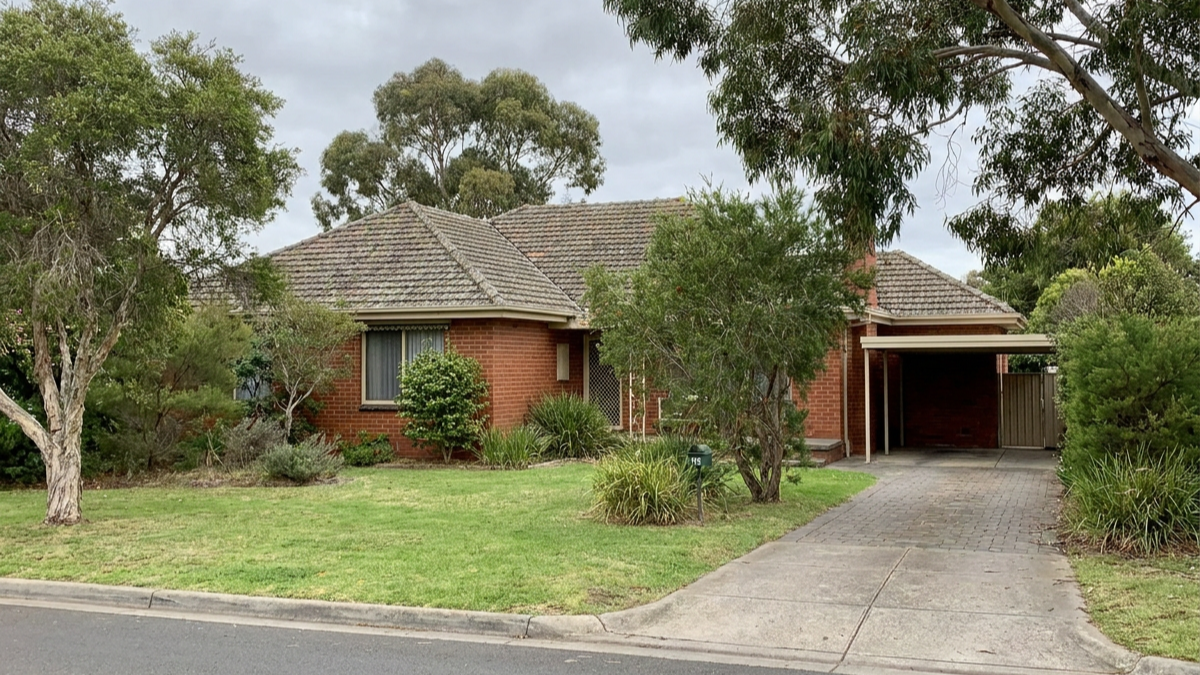
Short Explanation
Good schools can absolutely support buyer demand. The problem starts when buyers use school reputation as a shortcut for property quality, price justification or future growth.
What To Look For
Whether the suburb has multiple demand drivers beyond schooling.
Whether you are paying a true scarcity premium or simply following the market’s comfort narrative.
Whether the property itself has qualities the next buyer will still value.
Whether the suburb’s reputation is supported by practical fundamentals like access, housing mix and owner-occupier appeal.
Why It Matters
This is where Geelong can reward more thoughtful buyers. Families often arrive with Melbourne assumptions about school-zone pricing, but Geelong’s appeal is spread across a broader mix of suburb qualities. A stronger school can help, but it should not be the only reason a property makes sense.
For the property itself, Trade View’s How To Assess A Property Deal In 2026 (Beyond Yield) is a useful internal companion because it pushes buyers to assess the full deal rather than over-weighting one attractive feature.
3. Look For Suburbs Where Family Fit And Value Still Coexist
Short Explanation
The best Geelong choice is not always the suburb with the strongest prestige signal. Often it is the suburb where schooling access, liveability and price still feel in balance.
What To Look For
Family-oriented suburbs with consistent owner-occupier appeal.
Housing types that are practical for the next family buyer too.
Areas that feel established and usable now, not just promising later.
Relative value compared with more expensive neighbouring suburbs.
Why It Matters
This is what makes Geelong compelling for Victorian families comparing options. It offers family-oriented suburbs at different price points, with enough variation that buyers can still make a strategic choice rather than simply accepting a metro-style premium structure. Trade View’s Top Suburbs In Geelong For First Home Buyers is useful here because it highlights suburbs like Belmont, Grovedale and Newtown through an affordability-and-liveability lens, not just a status lens.
The Trade View Perspective On Schools And Property Value In Geelong
The right way to think about schools in Geelong is not “ignore them” and not “build your whole purchase around them”. It is to see them as part of the suburb’s demand story.
A good school can strengthen family appeal. It can help support demand. It can influence how confident buyers feel about an area. But it does not automatically make any property in that suburb good value, and it does not remove the need to assess land content, housing quality, local supply and how a family will actually live there.
That is the Trade View position. Schools matter because families matter. But family demand in Geelong is shaped by much more than school rankings alone.
What The Broader Victorian Evidence Adds To The Conversation

Broader Victorian analysis supports the idea that schools influence prices unevenly rather than universally. A useful reference point is Cate Bakos’ summary of Victorian research into school performance and house prices, which suggests the overall relationship is weaker than many buyers assume and that school-related premiums are often localised rather than automatic.
That should not be read as “schools do not matter”. It is a reminder that buyers still need to judge each suburb and each property on its full merits. For Geelong families, that is helpful because it supports a more balanced relocation mindset instead of a fear-based one.
How This Changes The Way Families Should Read Geelong Suburbs
Once you move away from school-first thinking, you start asking sharper questions.
Instead of “Which suburb has the best school reputation?” the better questions become:
Which suburb works best for our actual week?
Which location gives us the most complete family lifestyle?
Where are we paying for real scarcity versus inherited perception?
Will this property still appeal strongly to the next owner-occupier family?
That is a better way to compare Geelong with other Victorian options. It gives you more flexibility, protects you from emotional overpaying, and helps you choose a suburb that works both as a home and as a long-term asset.
Questions Victorian Families Are Actually Asking

Is Geelong A Good Place To Raise A Family?
Yes. Geelong appeals to many families because it combines schools, parks, sporting facilities, healthcare, coastline access and a wider range of housing options than many buyers expect. The better question is not whether Geelong works for families in general, but which suburb aligns best with how your family wants to live.
Do Good Schools In Geelong Always Mean Higher House Prices?
Not always. Good schools can support demand, but price outcomes depend on broader factors like housing stock, scarcity, suburb reputation, owner-occupier appeal and competing buyer demand.
Which Geelong Suburbs Appeal Most To Families?
Suburbs such as Newtown, Highton and Belmont are often highlighted because of their schools, parks and community feel, while places like Grovedale can appeal to buyers seeking a different price point with practical family amenities.
Should We Choose A Geelong Suburb Based Mostly On Schools?
No. Schools should be part of the decision, but not the whole decision. The stronger approach is to balance school access with commute, amenity, property quality, land content and long-term suburb demand.
Choosing Geelong With More Confidence
Victorian families comparing Geelong with other locations do not need to ignore schools. They just need to stop treating them as the only proxy for quality.
The better move is to choose a suburb where schooling, family lifestyle and property fundamentals all line up well enough to support both your everyday life and your long-term position. That is how Geelong becomes more than a cheaper alternative. It becomes a smarter family move.