
Cashflow & Rental Yield in 2026: What Investors Need to Watch
Cashflow is one of the most misunderstood concepts in property investing in 2026. Stop assuming that a high rental yield automatically means strong cashflow.
Rising holding costs, tighter lending buffers, and uneven rent growth mean that positive cashflow is harder to achieve and easier to miscalculate than it was a decade ago. A property can show a 6% gross yield and still quietly drain your bank account once realistic expenses and financing are applied.
If you are prioritising rental income, or you are cautious about over-leveraging and protecting capital, the goal is not to chase the highest yield. The goal is to acquire a property that delivers consistent, stress-tested net cashflow after real costs. Here is how rental yield actually works in 2026, and how to evaluate it properly.
What Cashflow Property Investing Means in 2026

Cashflow investing today is not about buying a “high-yield” property and expecting surplus income to appear. It means evaluating net performance after realistic ownership costs.
True cashflow considers:
Actual rent achieved, not just advertised estimates
Vacancy and tenant turnover
Interest rates above today’s rate
Ongoing ownership costs that increase over time
If you are focused on income, what matters is what remains after everything is paid. Not what the marketing brochure promises.
Rental Yield Explained Properly

Before assessing cashflow, you need clarity on rental yield.
Gross Yield
Gross yield is calculated as:
Annual rent ÷ Purchase price
Example:
$28,000 annual rent ÷ $500,000 purchase price = 5.6% gross yield.
Gross yield is easy to calculate. It is also incomplete.
Net Yield
Net yield accounts for real expenses:
Annual rent minus:
Property management fees
Insurance
Council rates
Maintenance
Land tax if applicable
Then divided by purchase price. Using the same example:
$28,000 rent minus $9,000 annual expenses ÷ $500,000 = 3.8% net yield.
In 2026, net yield is what matters. A property advertised at 6% gross may deliver only 3% to 4% net once real costs are included. If you are prioritising stable rental income, gross yield alone is not enough.
Why Yield Alone Does Not Equal Cashflow

Even net yield does not fully determine cashflow.
Cashflow depends on:
Loan structure and leverage
Interest rate assumptions
Tax position
Unexpected repairs
Vacancy variability
The same property with 5% net yield can produce very different outcomes at 70% LVR versus 90% LVR.
Higher leverage does not improve cashflow. It increases pressure. If your objective is reliable income, financing must be modelled as carefully as rent.
The Real Costs Investors Must Factor In
Most cashflow miscalculations come from optimistic cost assumptions.
In 2026, you must realistically include:
Property management at 8% to 10% of gross rent
Letting fees
Insurance and council rates increasing 3% to 4% annually
Maintenance allowance of 1% to 1.5% of property value
Land tax exposure where relevant
Interest rates modelled at 6.5% to 7%, not just current rates
If your projections look attractive only because you minimised these assumptions, the property is not robust. Conservative modelling is not pessimism. It is protection.
The 3 Checks That Protect You From Cashflow Traps
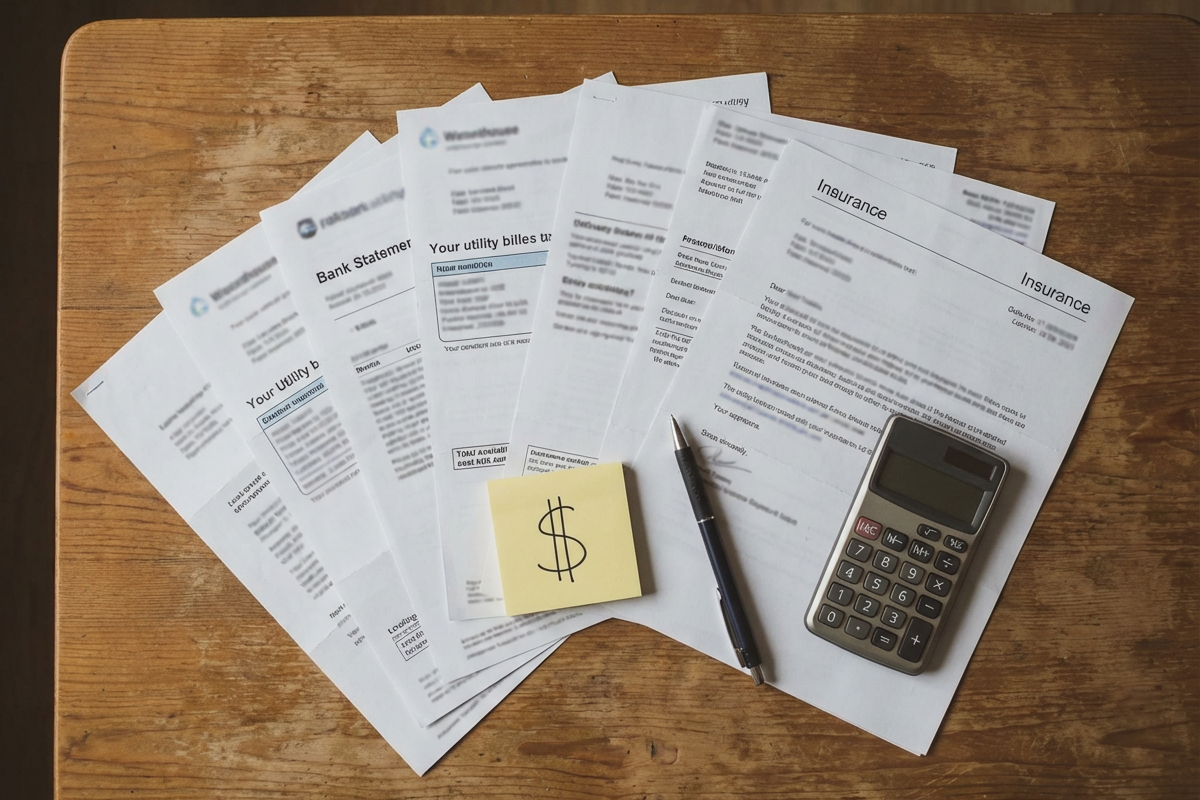
If you want to avoid buying a property that looks good on paper but drains cash in reality, apply these three checks.
1. Model rent below appraisal
If rent is appraised at $450 per week, model it at $400 to $410. Budget at least 4 to 6 weeks of vacancy annually. If the property still produces positive net cashflow under that assumption, you have margin. If it only works at top-of-range rent with zero vacancy, it is fragile.
2. Model interest above current rates
If your loan is at 5.5%, model at 6.5 to 7%. Interest rates change. Serviceability buffers tighten. If you can comfortably hold at higher rates, your position is defensible. If you rely on today’s rate to make the numbers work, you are exposed.
3. Stress-test maintenance and liquidity
Older properties can show higher yield but heavier maintenance variability. Newer properties may show lower yield but more predictable costs.
Ask yourself:
Can I handle a major repair without stress
If vacancy extends to 8 weeks, can I hold
If I need to exit, is there sufficient buyer demand
A property that survives stress scenarios protects your capital.
How Cashflow Behaves Across Property Types
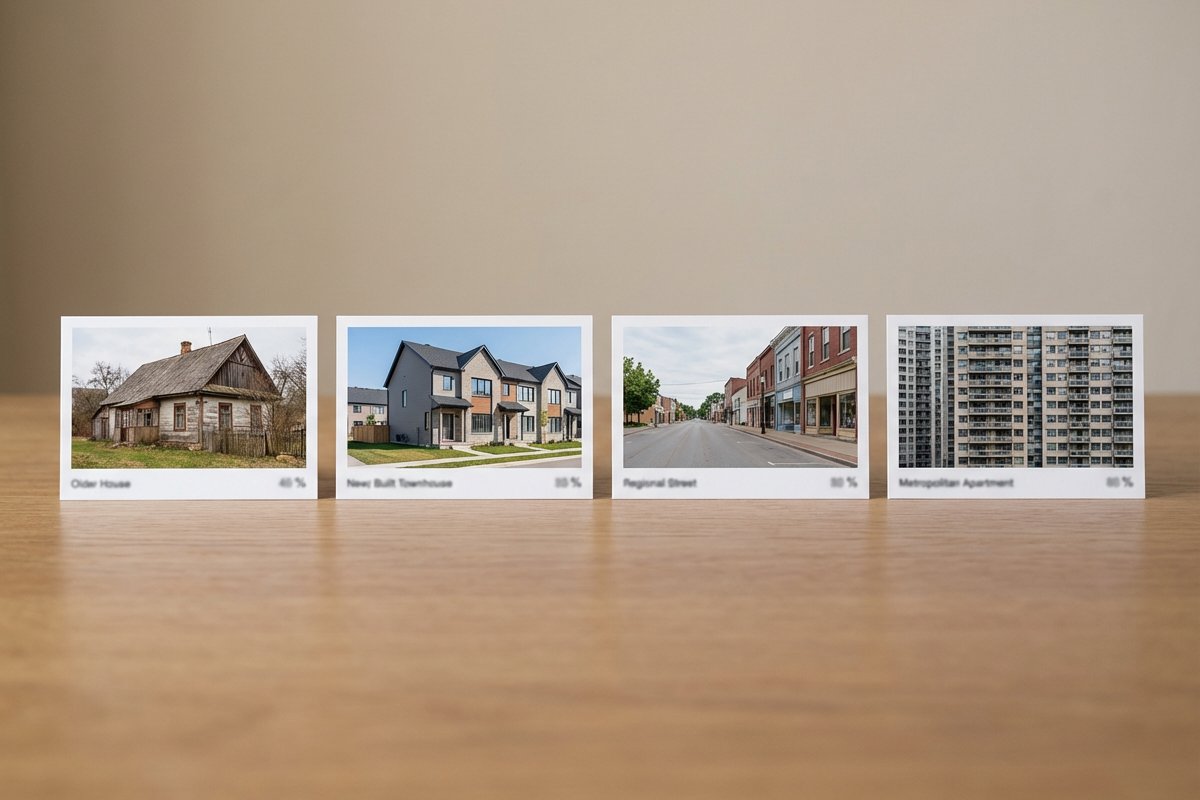
Not all properties deliver income the same way.
Lower-priced properties:
Often show 6% to 7% gross yield
May carry higher maintenance and vacancy risk
Newer properties:
Often show 4% to 5% gross yield
Typically deliver more predictable holding costs
Regional properties:
May show 5% to 7% yield
Can carry liquidity risk and narrower tenant pools
Established metro properties:
Often yield 4% to 5%
Offer stronger tenant diversity and resale demand
If you are focused on stable income, consistency often outperforms chasing the highest percentage.
Common Cashflow Mistakes in 2026
Investors frequently:
Rely on best-case rent
Ignore vacancy assumptions
Underestimate maintenance
Confuse tax deductions with real cash
Over-leverage barely positive properties
Tax deductions improve overall returns. They do not create cash in your account. Leverage amplifies both gains and stress. High Yield Often Looks Safer Than It Really Is walks through how these mistakes show up in real deals and why strong rent figures can mask weak fundamentals.
Should You Prioritise Cashflow Over Growth?
This depends on your holding capacity and risk tolerance. If your priority is income stability and protection, cashflow must come first. If you can comfortably sustain neutral or mildly negative cashflow, growth-focused assets may complement your strategy.
Most disciplined investors aim for balance:
At least neutral to mildly positive net cashflow
Sustainable tenant demand
Growth supported by fundamentals
The mistake is chasing growth while ignoring income stress. If you are still working out that balance, cash flow vs capital growth property lays out how each approach builds wealth over time and why most investors end up blending the two.
Stress-Test Before You Acquire
Before committing, model three scenarios.
Best case:
Rent at top appraisal
Minimal vacancy
Current interest rate
Realistic case:
Rent 10% below appraisal
4 to 6 weeks vacancy
Interest rate 0.5% higher
Stress case:
Rent 15% to 20% below appraisal
8 to 10 weeks vacancy
Interest rate 1.5% higher
If you can comfortably hold in the stress case, you are buying defensively. If you cannot, you are relying on optimism. How To Assess A Property Deal In 2026 builds on this stress‑testing approach and shows you how to combine yield, demand and supply checks before you call any property a “cashflow deal”.
Conclusion
Cashflow property investing in 2026 requires discipline. Stop assuming yield equals income.
Focus on:
Net performance after real costs
Conservative rent modelling
Interest rate buffers
Stress-tested holding capacity
The investors who build stable portfolios are not the ones chasing the highest headline yield. They are the ones acquiring properties that still work when conditions tighten.
If you want clarity on whether a property genuinely delivers net cashflow under conservative modelling, the next step is aligning suburb selection, financing structure, and income tolerance with your broader strategy.